
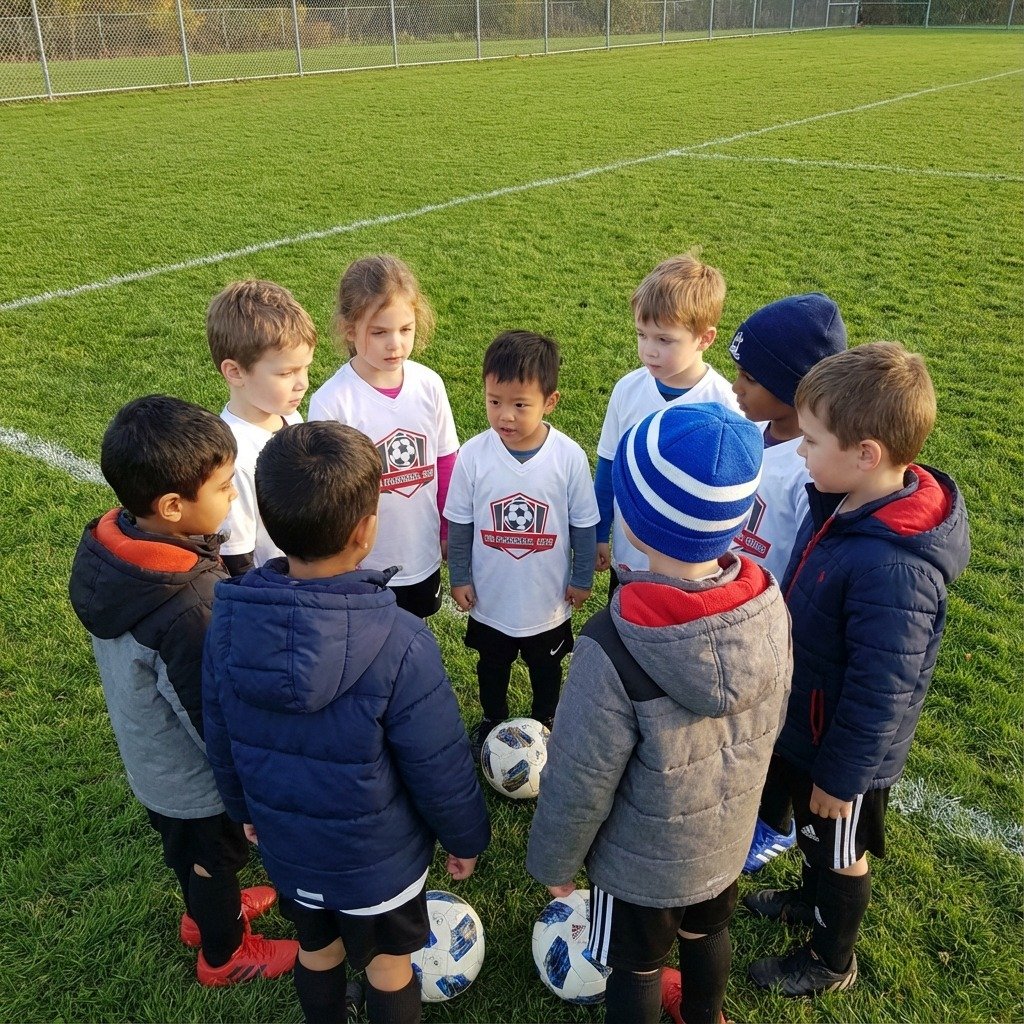
Soccer is one of the easiest ways for kids to move, make friends, and build confidence. In a city like Toronto, where winters are long, cold, and often icy, the game looks and feels a bit different, especially for younger players aged 5 to 10.
This guide is for parents and coaches who want kids to enjoy soccer and stay healthy. We’ll walk through common winter health issues, simple ways to prevent injuries, and how 416 Soccer Club helps keep kids safe in both indoor and outdoor programs.
Common Winter Health Issues in Kids’ Soccer
Cold Weather and Soccer Health
When kids are excited to play, they rarely notice how cold they are. But cold temperatures can affect their body and breathing more than they realize.
Cold weather can:
- Drop body temperature too low (risk of hypothermia)
- Irritate exposed skin (risk of frostbite on fingers, toes, ears, and nose)
- Make breathing feel heavier, especially for kids with asthma
How to protect your child:
- Dress them in layers: a moisture-wicking base, a warm mid layer, and a wind-resistant jacket
- Cover head, hands, ears, and neck with a hat, gloves, and a neck warmer
- Choose indoor soccer on very cold or windy days
- Build in short warm-up breaks so kids can move around, warm up, and check how they feel
Respiratory Issues and Asthma
Cold, dry air can make it harder for kids to breathe comfortably. Some may start coughing or feel tightness in their chest, especially if they already have asthma.
Parents and coaches can help by:
- Letting the coach know about asthma or breathing issues before the season
- Keeping inhalers or medication close to the field
- Allowing kids to warm up indoors first, then move outside once they’re warm
- Using shorter drills with regular rest breaks, so kids can catch their breath
- Pausing play and following the child’s asthma plan if breathing becomes difficult
Muscle Strains and Sprains in Cold Conditions
Cold muscles don’t move as easily. If kids go straight into sprinting or tackling, they’re more likely to strain or twist something.
A proper warm-up can:
- Loosen tight muscles and joints
- Prepare the body for quick turns and sudden stops
- Reduce the chance of strains and sprains
Simple warm-up ideas:
- 5 minutes of light jogging or skipping
- Dynamic movements like leg swings, high knees, lunges, and side shuffles
- A few minutes of gentle stretching at the end of practice
Everyday Safety Habits for Youth Soccer
Warm-Ups and Stretching
Kids might want to skip warm-ups and “start the game already,” but this is where injury prevention really starts. A short, fun warm-up sets their body up for success.
Good warm-ups usually include:
- Light cardio: jogging, skipping, or dribbling the ball at an easy pace
- Dynamic stretches: lunges, hip circles, leg swings, arm circles
- Extra focus on legs, hips, lower back, and core
When warm-ups are consistent, kids feel more confident and move more freely on the field.
Strength and Balance for Young Players
Kids don’t need heavy weights to get stronger. A few simple bodyweight exercises at home or in practice can help them stay more stable on the field.
Helpful exercises include:
- Leg strength: squats, lunges, glute bridges, step-ups
- Core strength: planks, side planks, gentle leg lifts
- Balance: standing on one leg or balancing while passing or catching a ball
Try adding 10–15 minutes of these exercises two or three times a week. Keep it playful and simple. The main goal is good form and body control, not pushing them to exhaustion.
Footwear and Safety Gear
The wrong shoes or missing shin guards can turn small bumps into painful injuries. The right gear makes a big difference in comfort and safety.
What kids should wear:
- Outdoor fields: soccer cleats made for grass or turf
- Indoor fields: flat indoor soccer shoes with good grip
- Shin guards: properly fitted and fully covered by long socks
- Optional: ankle supports for kids who’ve had past ankle issues
Quick checks for parents:
- Shoes feel snug but not tight, with toe room to move
- Cleats aren’t cracked or worn flat
- Shin guards don’t slide around and show no damage
Hydration and Nutrition (Even in Winter)
In winter, kids might not feel as thirsty, but their body still needs water and fuel to play well. Dehydration and poor nutrition can make them tired faster and more prone to cramps.
Hydration basics:
- Encourage a drink of water before, during, and after practice or games
- Offer water breaks every 15–20 minutes
- Avoid relying only on sugary drinks
Simple food habits that help:
- Regular meals with fruits and vegetables
- Whole grains for long-lasting energy
- Lean protein (chicken, fish, eggs, beans) to support muscle recovery
- Healthy fats (nuts, seeds, avocado) in moderation
Preventing Common Soccer Injuries
ACL Injury Prevention
ACL injuries usually happen when kids stop suddenly, twist on a planted foot, or land awkwardly after jumping. You can’t remove all risk, but you can teach safer movement.
How to lower the risk:
- Teach kids to bend their knees and hips when they land
- Practice soft landings with feet shoulder-width apart
- Strengthen the thighs, hamstrings, and glutes with squats, bridges, and lunges
Short, regular movement drills are more effective for kids than long, intense sessions.
Ankle Sprain Prevention
Ankle sprains are very common in youth soccer. They often happen during quick changes of direction, tackles, or when a child steps on uneven ground.
Helpful prevention habits:
- Add calf raises, tiptoe walks, and ankle circles to warm-ups
- Use balance drills, like standing on one leg for 20–30 seconds
- Check the field for holes, dips, or uneven patches before training
Reducing Concussion Risk
Concussions can occur from head-to-head contact, falls, or heading the ball the wrong way. Even if the hit doesn’t look severe, the brain can still be affected.
To keep kids safer:
- Follow local rules on heading for younger age groups
- When heading is allowed, teach kids to use their forehead, keep eyes on the ball, and keep the neck strong
- Avoid unnecessary heading drills with very young players
- Discuss protective headgear with your doctor and coach if your child has had a previous head injury
When to See a Doctor
Signs of a Concussion
Kids often say they’re “okay” because they want to keep playing. Adults need to watch how they act and move after any hit to the head or strong collision.
Common concussion signs:
- Dizziness or confusion
- Headache or a feeling of pressure in the head
- Nausea or vomiting
- Trouble focusing or remembering what just happened
- Sensitivity to light or noise
If you notice these signs, stop your child from playing right away and get them checked by a medical professional the same day. They should only return to soccer when a doctor or healthcare provider says it’s safe.
Serious Knee or Ankle Injuries
Not every bump is serious, but some symptoms mean your child needs more than rest and ice.
Watch for:
- Swelling that appears quickly
- Sharp pain when walking or moving the joint
- Inability to walk normally or put weight on the leg
First steps (RICE):
- Rest: stop playing
- Ice: apply a cold pack wrapped in a cloth for short periods
- Compression: use a light wrap if advised
- Elevation: keep the leg raised
If things don’t improve after a day or two, or your child still can’t walk properly, speak to a doctor or a sports medicine clinic.
Building a Safe Soccer Mindset
Teaching Kids to Listen to Their Bodies
Kids want to be on the field, and sometimes they hide pain to avoid being taken off. Parents and coaches can help change this.
You can:
- Talk openly about safety, fair play, and respect each week
- Let kids know it’s okay to speak up if something hurts or feels “off”
- Thank and praise them when they tell you early, before a small issue becomes a big one
When kids understand that rest and honesty keep them in the game longer, they’re more likely to ask for help when they need it.
Rest and Recovery
Young players don’t need to train every single day. Their bodies grow and get stronger during rest, not just during practice.
Healthy training balance:
- Plan 1–2 full rest days each week with no intense sport
- Mix harder days with lighter skill sessions or fun games
- Make sure your child gets enough sleep for their age so their body can recover
Choosing a Safe Soccer Program
What to Look For in a Club
Some programs are all about winning. Others focus on developing kids and keeping them safe. When you’re choosing a club, it helps to ask a few direct questions.
Good signs include:
- Qualified coaches who understand both soccer and child development
- Clear injury and concussion procedures
- Proper warm-ups and age-appropriate drills every session
- A plan for winter training, such as indoor facilities
- Other parents saying the club feels organized, caring, and safe
If a club is open and confident about how they handle safety, that’s usually a positive sign.
How 416 Soccer Club Keeps Kids Safe
416 Soccer Club is built around helping kids enjoy soccer in a safe, structured environment, especially during the winter season.
Indoor Winter Training
In colder months, 416 Soccer Club uses indoor facilities so young players don’t have to deal with snow, ice, or extreme windchill. Indoor fields offer consistent surfaces and good traction, which reduces slips and falls and lets kids focus on the ball instead of the weather.
Safety Routines at 416 Soccer Club
At 416 Soccer Club:
- Every session starts with structured warm-ups and simple conditioning
- Coaches remind families about proper footwear, shin guards, and optional ankle supports
- Water breaks are built into practice, even when it’s cold outside
- Parents are kept informed about injuries, health concerns, and weather-related changes
This shared approach means safety doesn’t sit with just one person. Coaches, parents, and players all work together to keep kids healthy and confident on the field.
Make Soccer Safe and Fun for Your Child
You don’t have to choose between safety and fun. With the right program, good habits at home, and a bit of planning, your child can enjoy soccer all winter long.
Use the ideas in this guide to:
- Support warm-ups and strength at home
- Choose proper gear and clothing
- Watch for warning signs and act early
If you’re looking for a program that takes winter safety seriously while still keeping things enjoyable, 416 Soccer Club is a strong option.
Give your child a safe place to play, learn, and grow in soccer – and start their next season with confidence.
Frequently Asked Questions
Help them warm up properly, wear the right shoes and shin guards, stay hydrated, and learn safe play habits. Choose a club where coaches talk about safety, not just scores.
Dress them in layers: a moisture-wicking base, a warm mid layer, and a wind-resistant jacket. Add gloves, a hat or headband, and long socks. On very cold days, pick indoor soccer.
Inform the coach before the season, keep inhalers close by, and allow extra time for warm-ups. If breathing gets harder or coughing increases, pause play and follow your doctor’s advice.
Work on leg and core strength, and teach kids to land with bent knees and hips. Don’t jump straight into full-speed drills without warming up.
Headache, dizziness, confusion, nausea, and trouble focusing or remembering. If you suspect a concussion, stop play immediately and see a doctor.
Use Rest, Ice, Compression, and Elevation. If they can’t put weight on it, or if pain and swelling don’t improve, contact a doctor.
Yes. Kids may not feel as thirsty in the cold, but they still lose fluids. Encourage water before, during, and after activity.
Headgear is optional. Some families choose it for extra comfort during heading or after a previous head injury. It’s best to talk with your doctor and coach.
By using indoor facilities in winter, running structured warm-ups, focusing on proper gear and hydration, and keeping parents informed about health and safety.
Qualified coaches, clear health and safety policies, age-appropriate sessions, a winter training plan, and a culture that cares about the child as a whole person, not just as a player.